
Field Note : Beyond the Bouquet
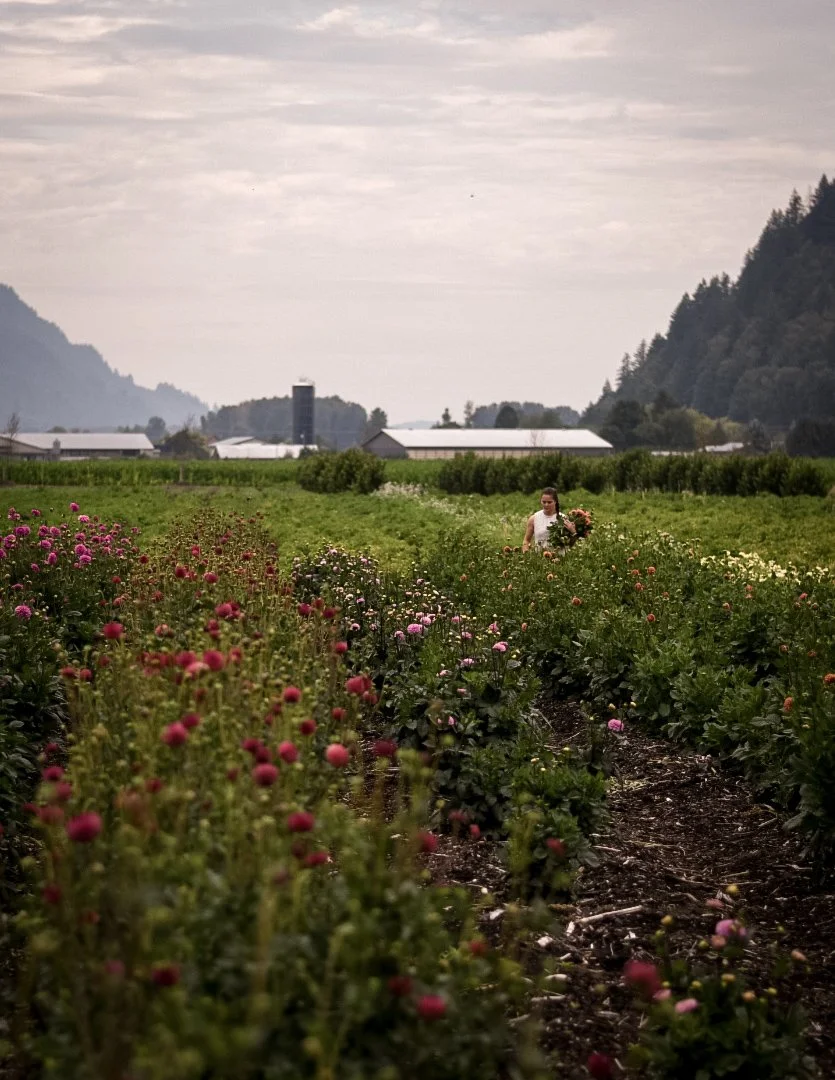
A few weeks ago, I spent a slow morning at Local Harvest, Courtney’s family farm, walking among rows of cosmos and zinnias ready for harvest.
The farm had a gentle rhythm to it. Vegetables are gathered, bread is baked, flowers are picked, and bees move quietly through it all.
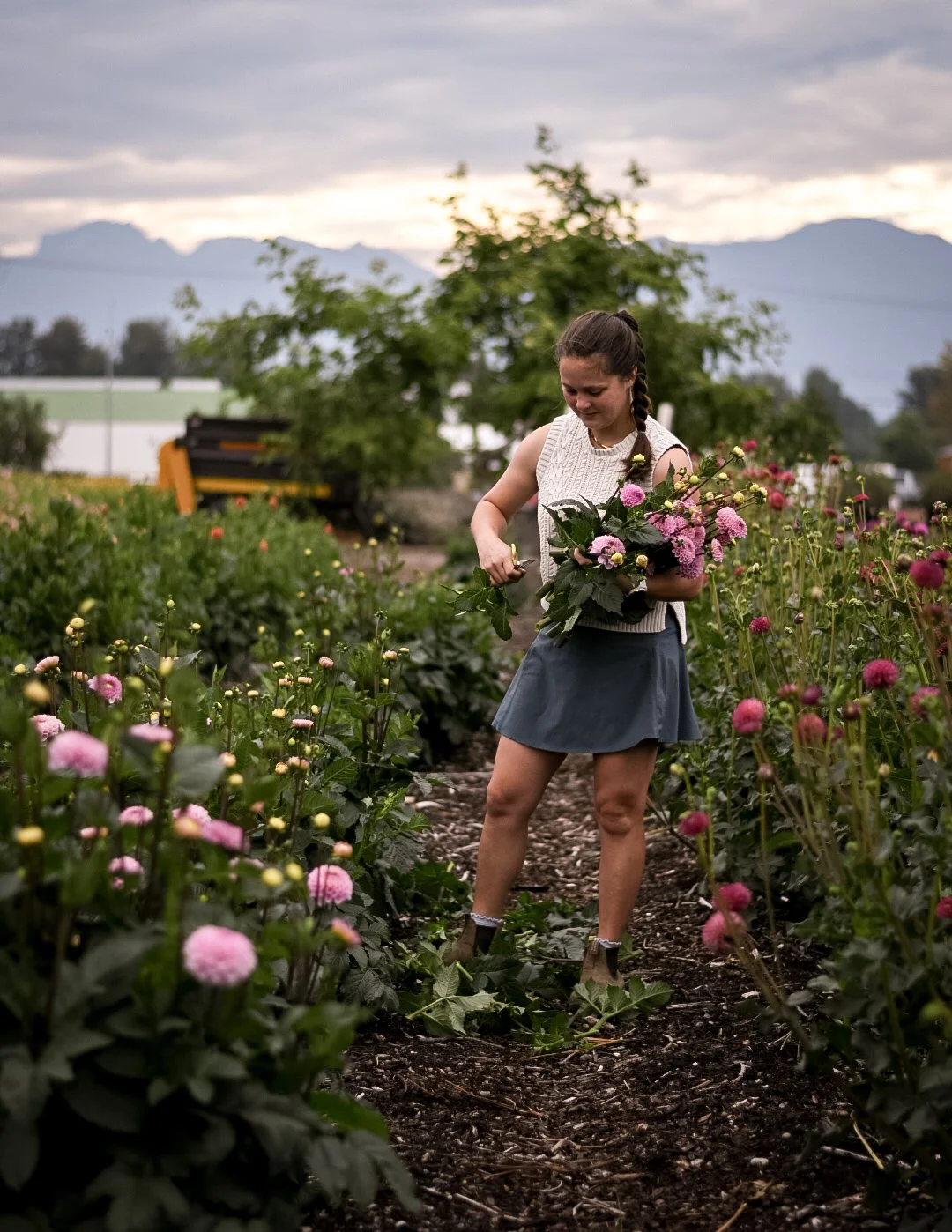
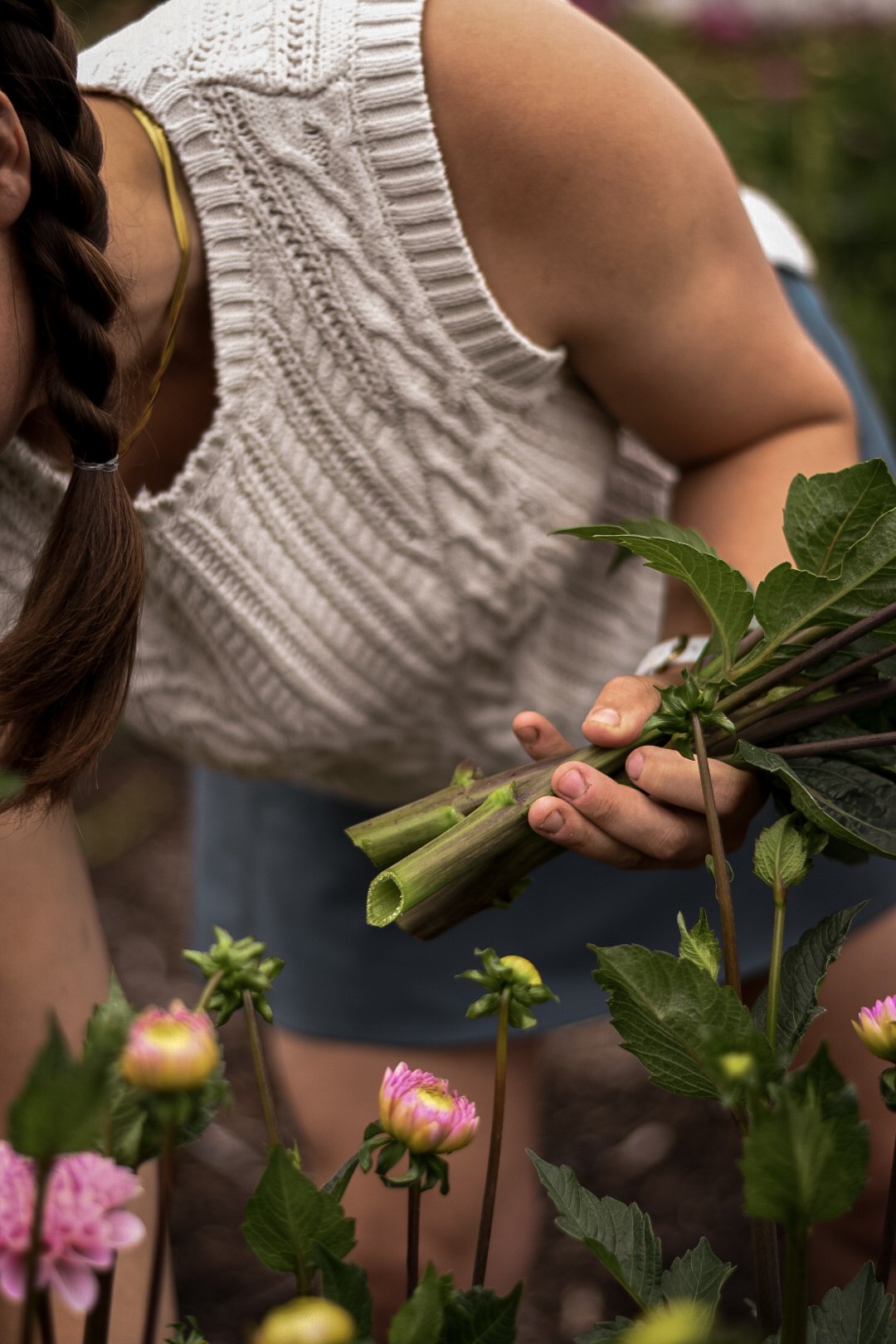
As Courtney and I wandered through the flower fields, she handed me a pair of snips.
“Help yourself.”
It was such a simple gesture, but it revealed something about the way she farms.
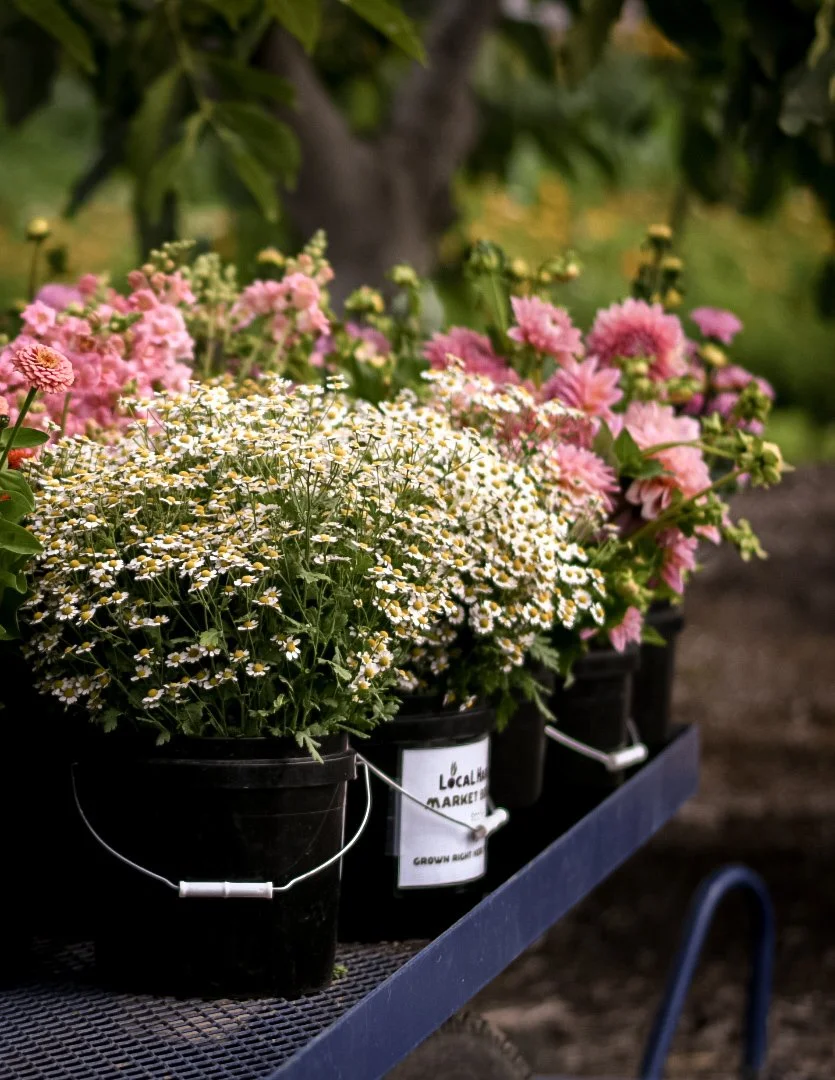
As we walked, she pointed out flowers that had bloomed beyond their best stage for her market bouquets.
“If there’s a flower that’s too open,” she told me, “I leave it for the bees.”
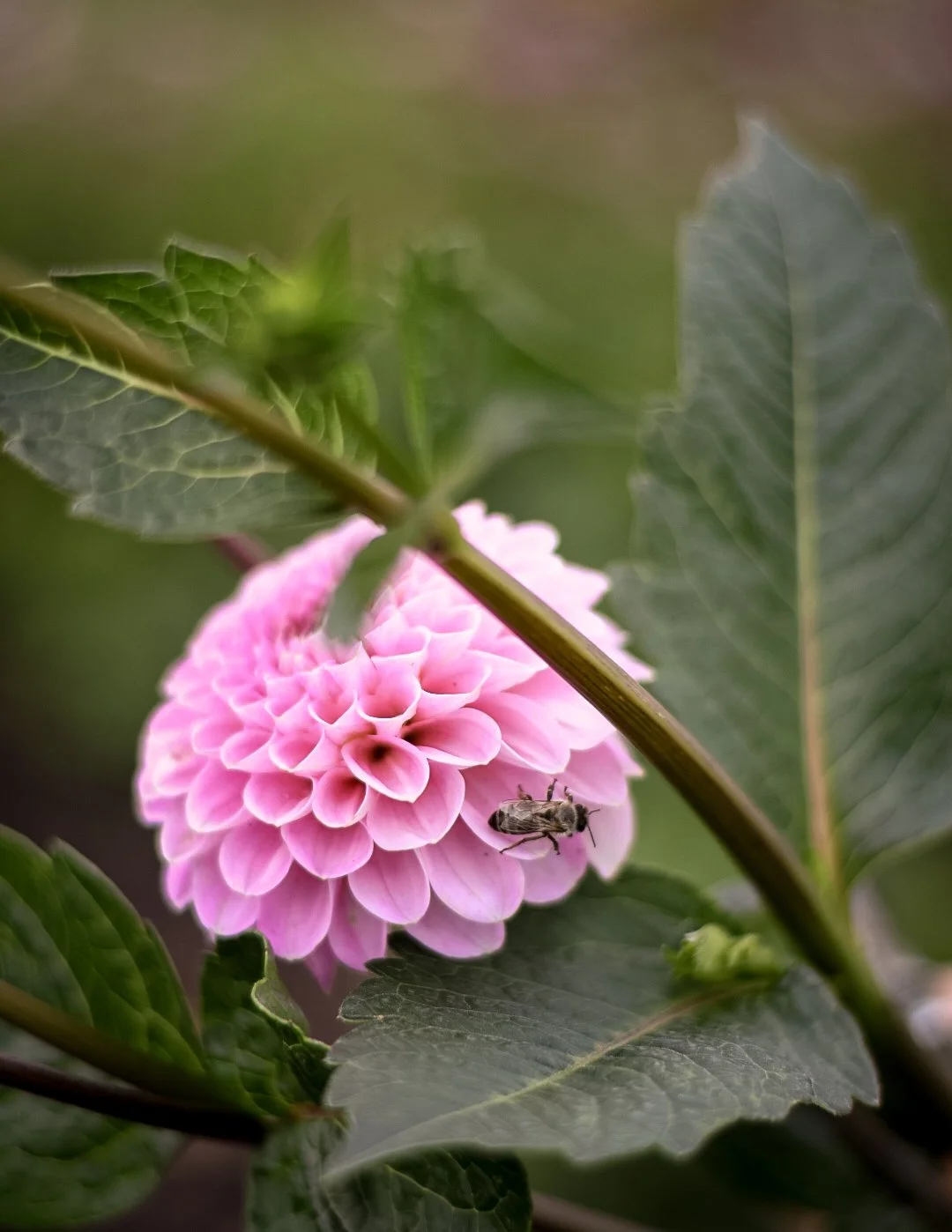
I was struck by how naturally she accepted their presence. There was no sense of the pollinators being in the way or taking something that belonged to her. They seemed to have been welcomed all along, as if they, too, had a place at the table, guests who had every right to be there.
“One of the reasons I do what I do is for these guys,” she told me. “I’m not going to pretend I know a lot about pollinators. But what I do know is that they are important. That’s why I’m dedicating some of my time to researching, learning, and documenting them.”
Beyond honeybees, she is paying attention to hummingbirds, butterflies, mason bees, and the wild bumblebees, many small lives in flowers alongside her.
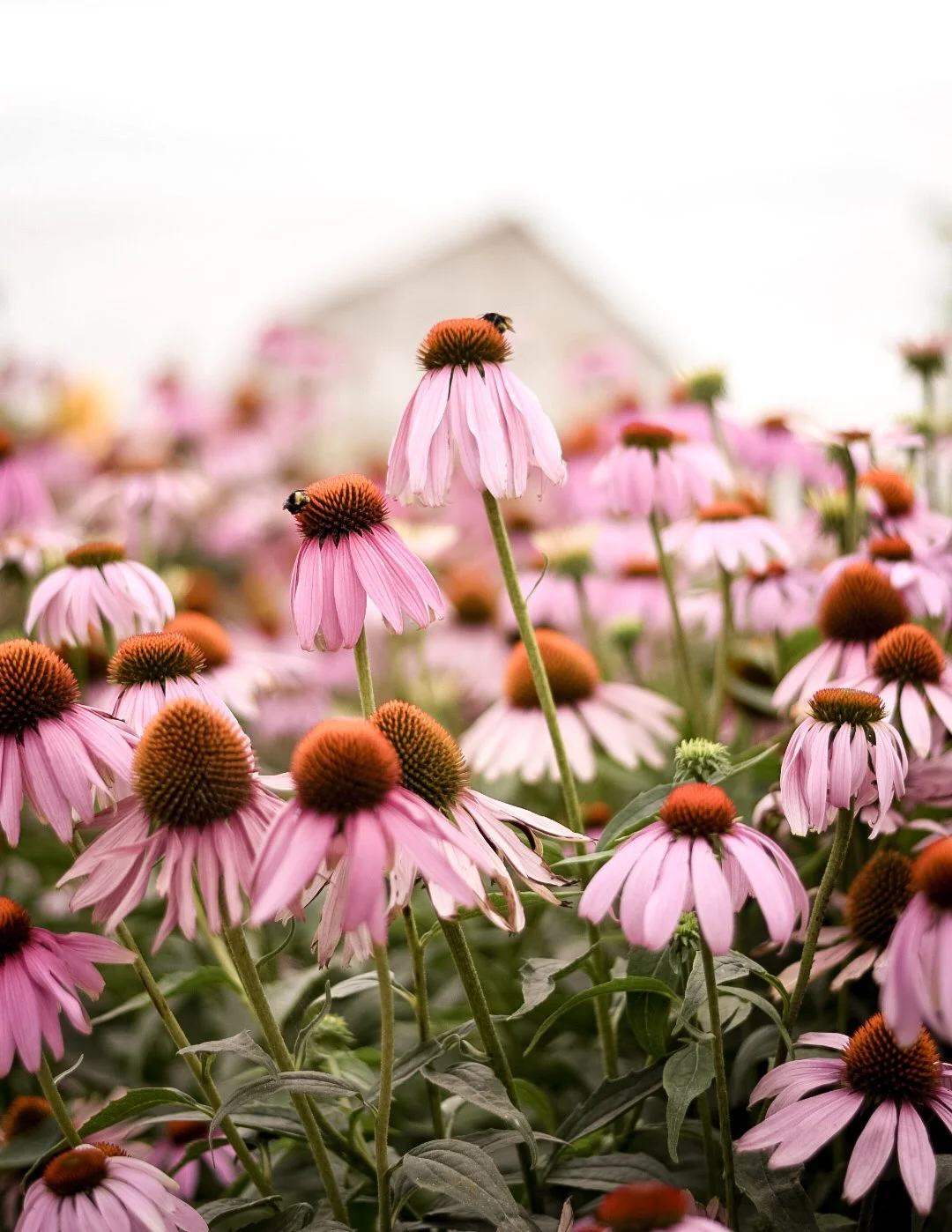
Framing the flower beds, I noticed a large swath of purple coneflowers, most in full bloom. A few had been picked, but many were left standing, alive with movement.
As I listened, I began to understand that the pollinators weren’t simply passing through.
They belonged here.
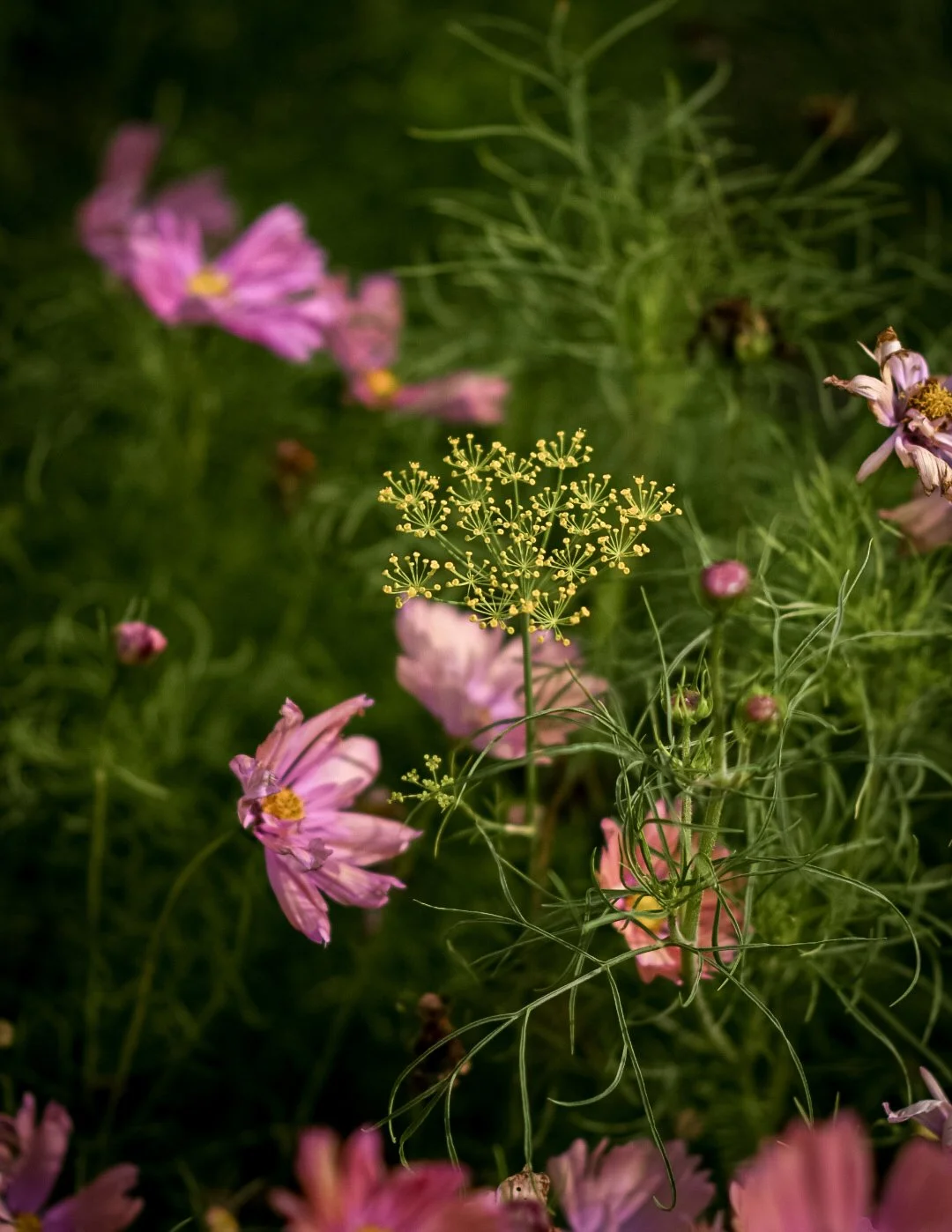
They were part of the farm’s rhythm, too.
A flower does not lose its purpose when it is no longer perfect for a bouquet.
It becomes something else.
A place to land. A source of nourishment. A small offering in the life of the farm.
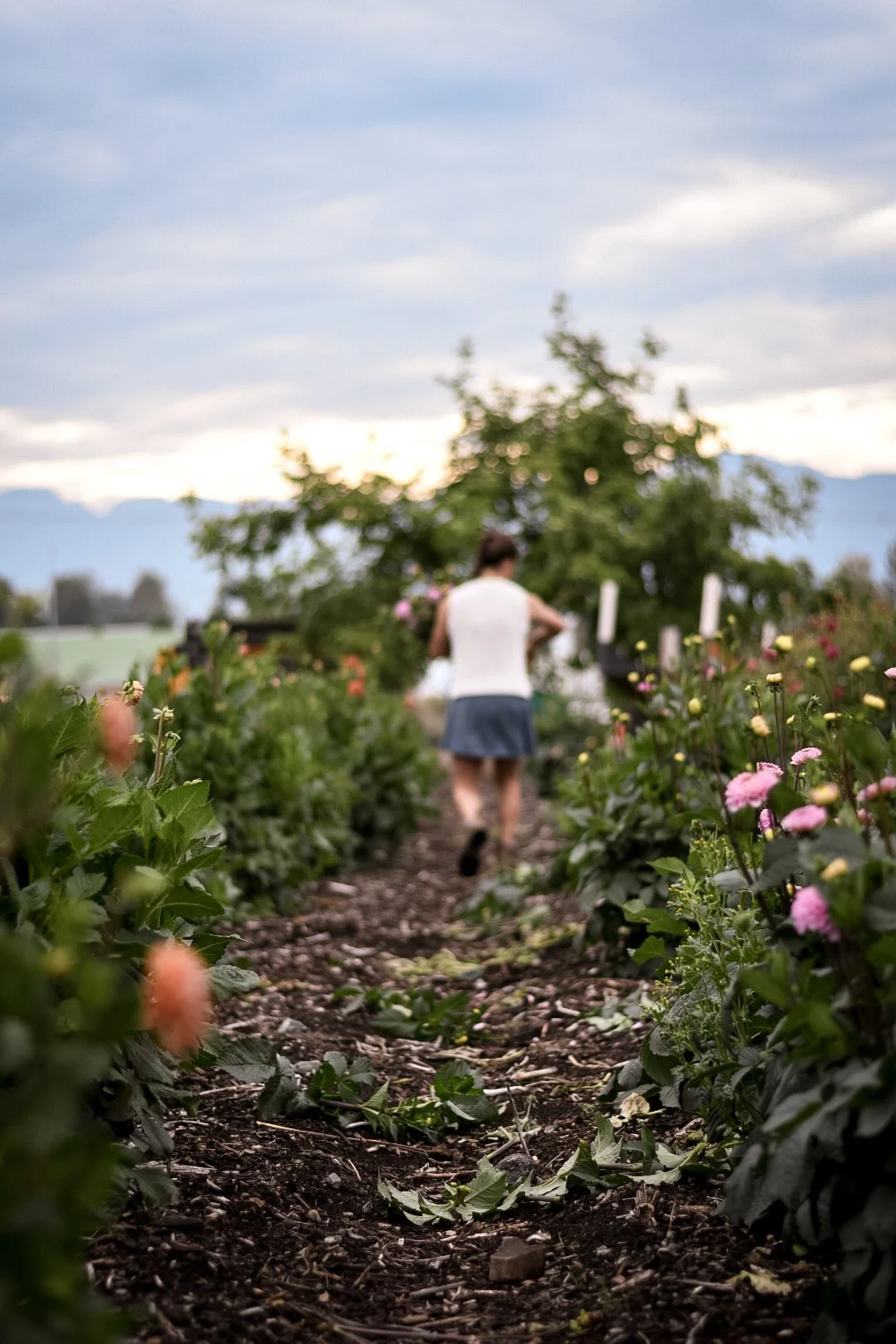
Perhaps stewardship is often found in these quiet decisions, the things we choose not to take.
The beauty we leave behind can still have a purpose.