
Provenance : A Quiet Return to What Matters
Recently I came across an old word provenance. It has stayed with me, perhaps because it names something many of us have been longing for without realizing it.
Provenance is the story of where something comes from, not just its origin, but the hands that shaped it, the seasons it endured, and the care that brought it into being.
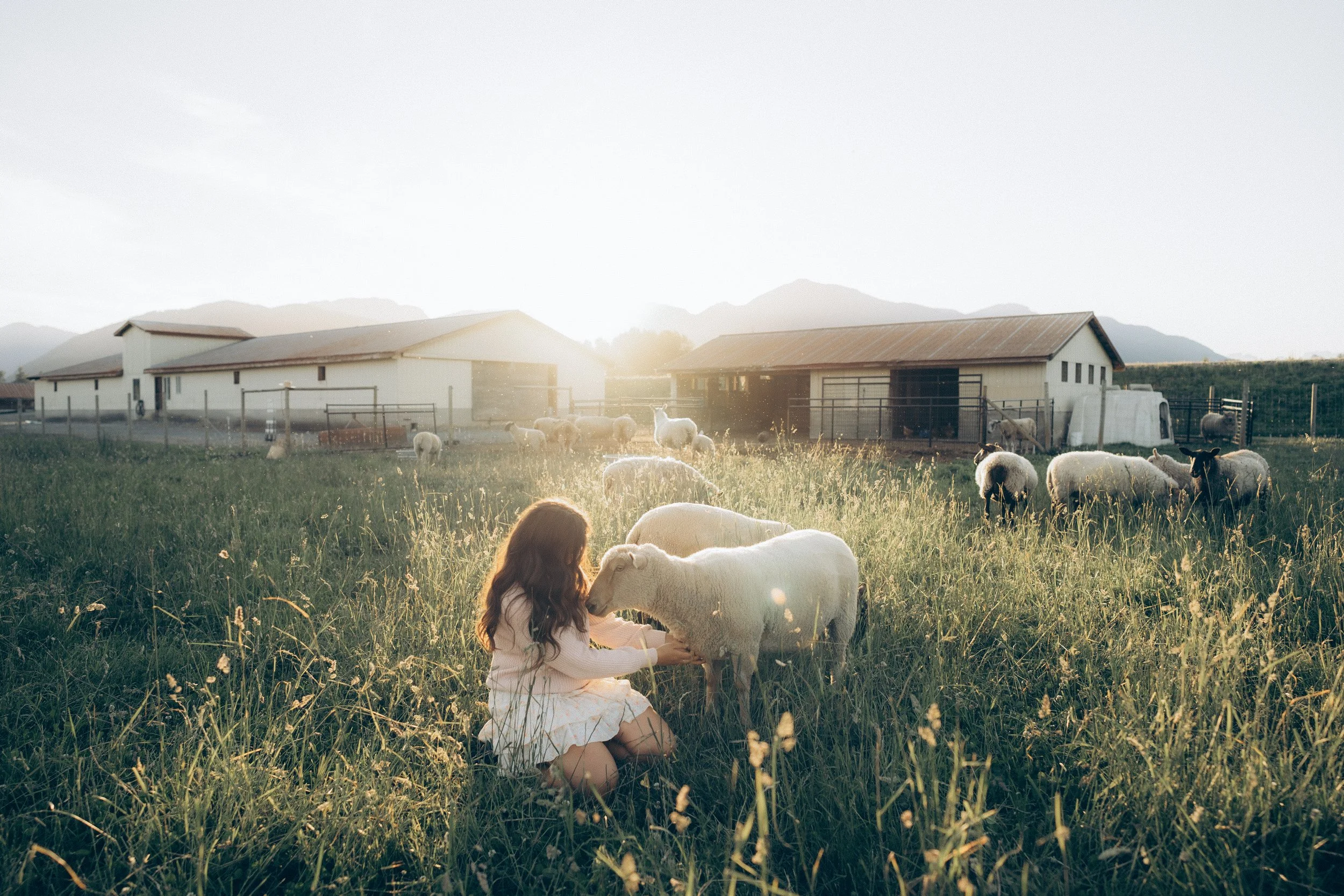
After several years of tending sheep and many gardens, I’ve realized that the things I value most all have one thing in common:
I understand how they came to be.
There is something deeply comforting about knowing the people behind what we bring into our homes: the shepherd behind the wool, the grower behind the flowers, the farmer behind the food on our table.
I wonder if that’s why so many of us feel drawn to gardening.
Whether we’re growing tomatoes or sweet peas, carrots or zinnias, a garden invites us into every stage of the journey. We tuck tiny seeds into the soil, wait with hope, rejoice in each green shoot, and delight in the first bloom or harvest.
Tending plants feels so deeply satisfying. Whether someone has a hundred acres or a few pots of herbs on a balcony. In a world that celebrates convenience, it reminds us that the best things ask for patience.
The same is true of a flock. A skein of wool begins long before it reaches the spinning wheel. Healthy pasture, fresh water, changing seasons, and careful shepherding are all spun into the wool in our hands.
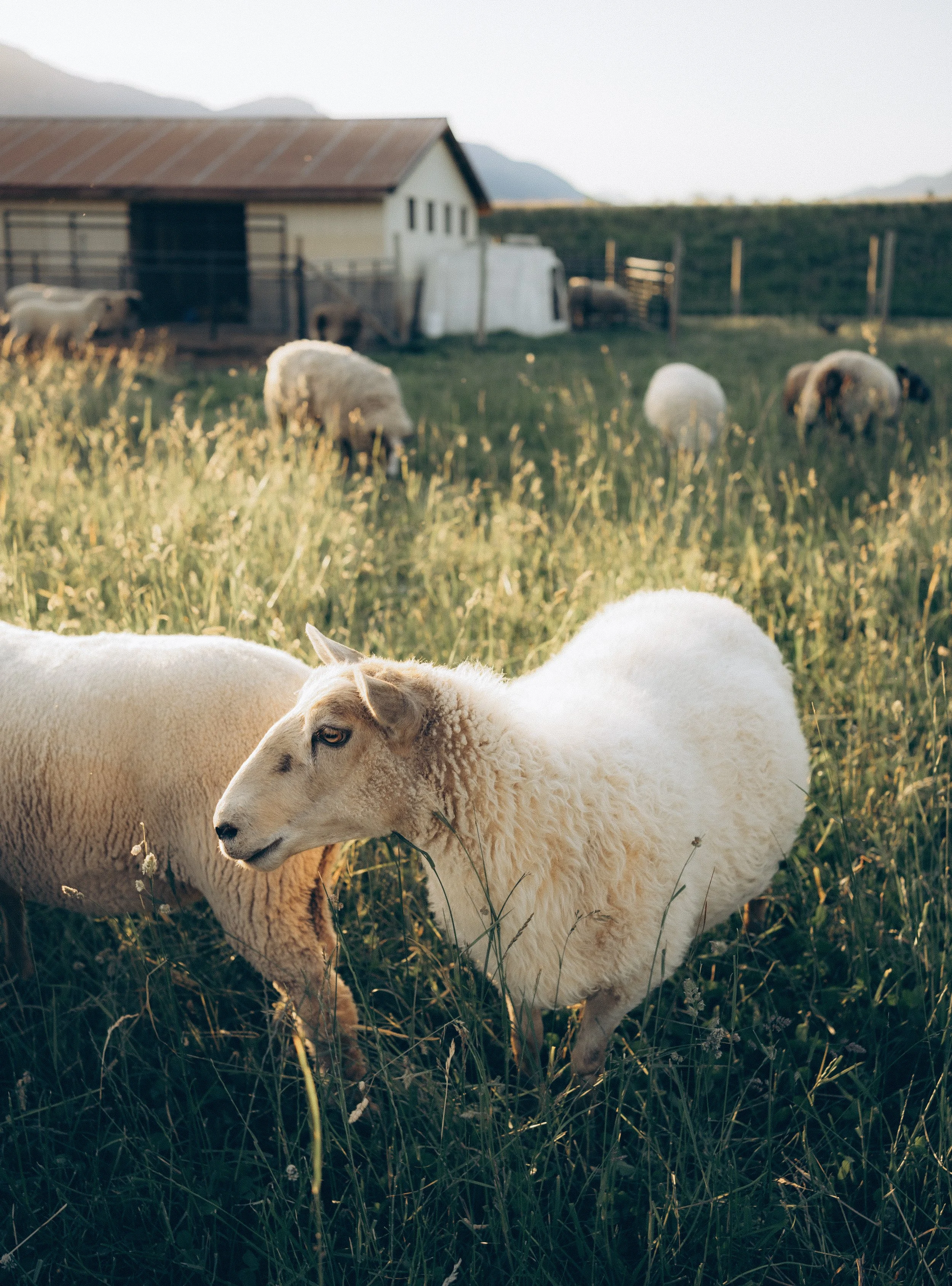
When you know the sheep whose fleece you are spinning, the craft feels different.
A meal shared around the table also begins long before it is prepared, with stewardship, daily chores, and the understanding that good husbandry is an act of respect.
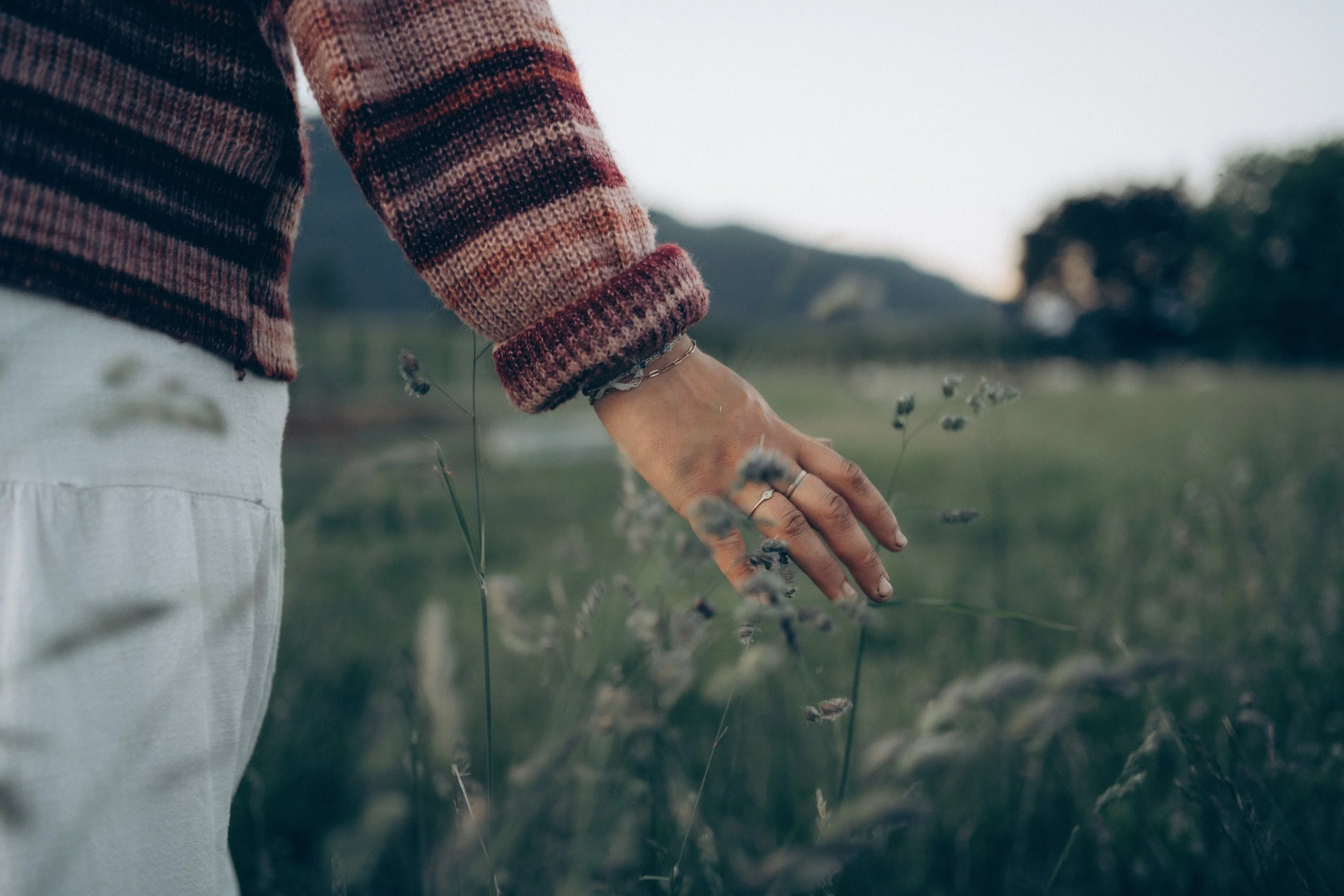
Even a photograph has the potential to carry provenance: a misty morning mountain, golden light across the pasture, a sassy ewe, and the patience to notice a moment that will never happen in quite the same way again.
Perhaps that’s why so many of us are returning to old skills, baking bread, mending clothes, growing vegetables, and keeping chickens.
These aren’t simply hobbies or ways to save money. They are a quiet resistance to a culture that teaches us to consume without knowing, replace instead of repair, and hurry instead of notice.
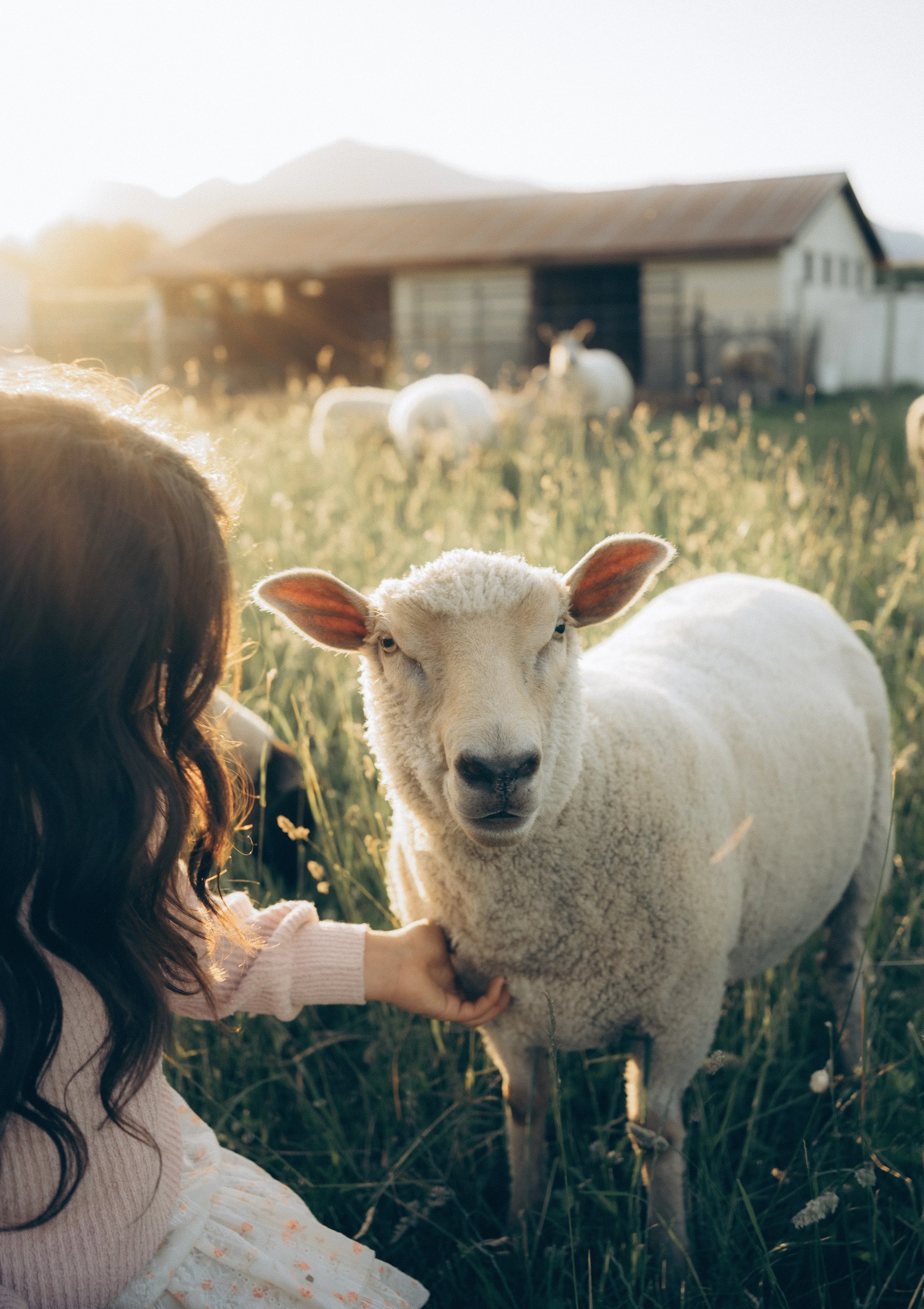
The longer I spend tending the land, the more I realize that wealth isn’t measured only by what sits in a bank account. It is found in healthy soil, thriving pasture, practical skills, and wisdom passed from one season to the next.
The earth, and the wisdom to steward it well, are among the greatest inheritances we can pass on. Gardens can be replanted. Sheep can raise another generation. A loaf of bread can be baked again. Perhaps the most valuable thing we can leave our children is the knowledge of how to live well with the land.
The ability to grow food, mend a sweater, preserve the harvest, care for animals, recognize the changing weather, or gather flowers for the kitchen table represent quiet riches. They cannot be downloaded, mass-produced, or taken away by changing markets. They deepen with practice and are meant to be shared.
I don’t believe provenance is about looking backward with nostalgia. It is about moving forward with intention, choosing fewer things, but better ones; supporting people whose names we know; and filling our homes with objects that hold provenance instead of simply serving a purpose.
When we know the story behind the things that sustain us, we value them differently. We waste less, give thanks more often and begin to understand that beauty is rarely rushed.
Maybe that’s what I’m really trying to cultivate, not simply photographs of sheep, wool, flowers, and harvests, but a place where stories are shared, skills are learned, and seasons are noticed. A place where provenance becomes a way of living.
In the end, provenance isn’t only the story of where something came from.
It is also the story of the people we are becoming.
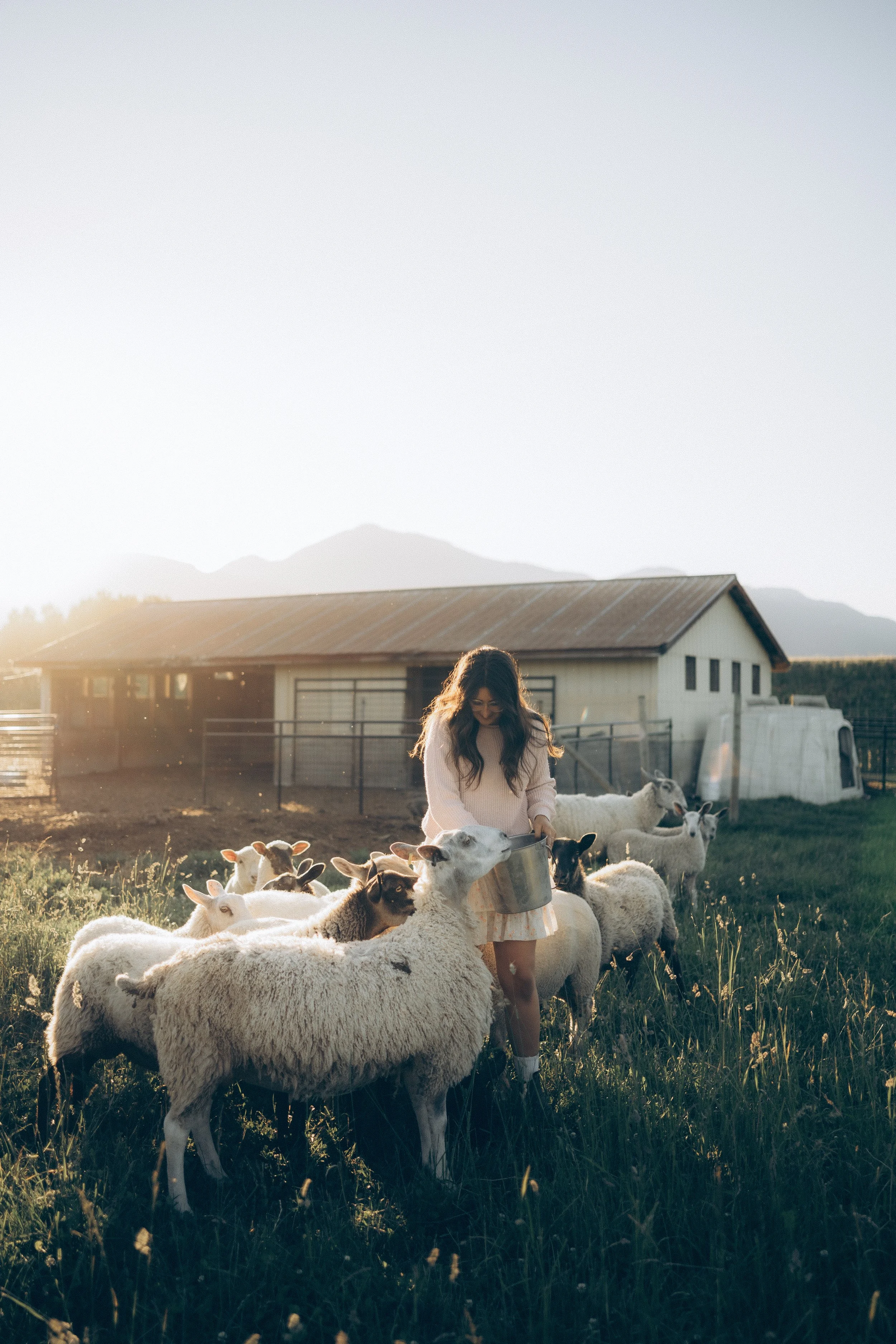
photographs by amoriamade